+30%
More grass
Rotationally grazed pastures carried about 30% more forage than continuously grazed ones, across roughly thirty controlled experiments.
Rouquette, Sollenberger & Vendramini 2023, Translational Animal Science
Filadelfia · Paraguayan Dry Chaco
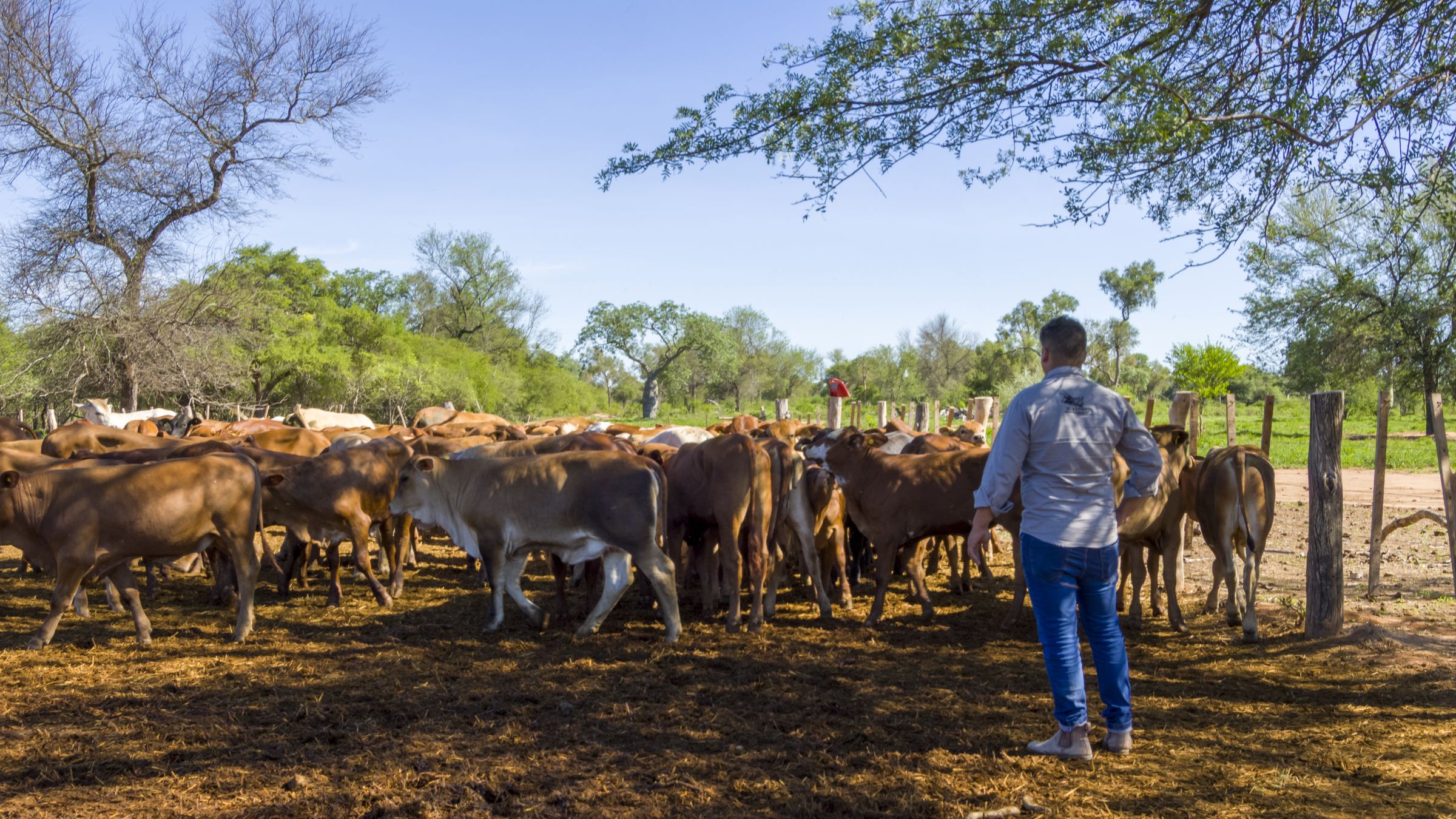
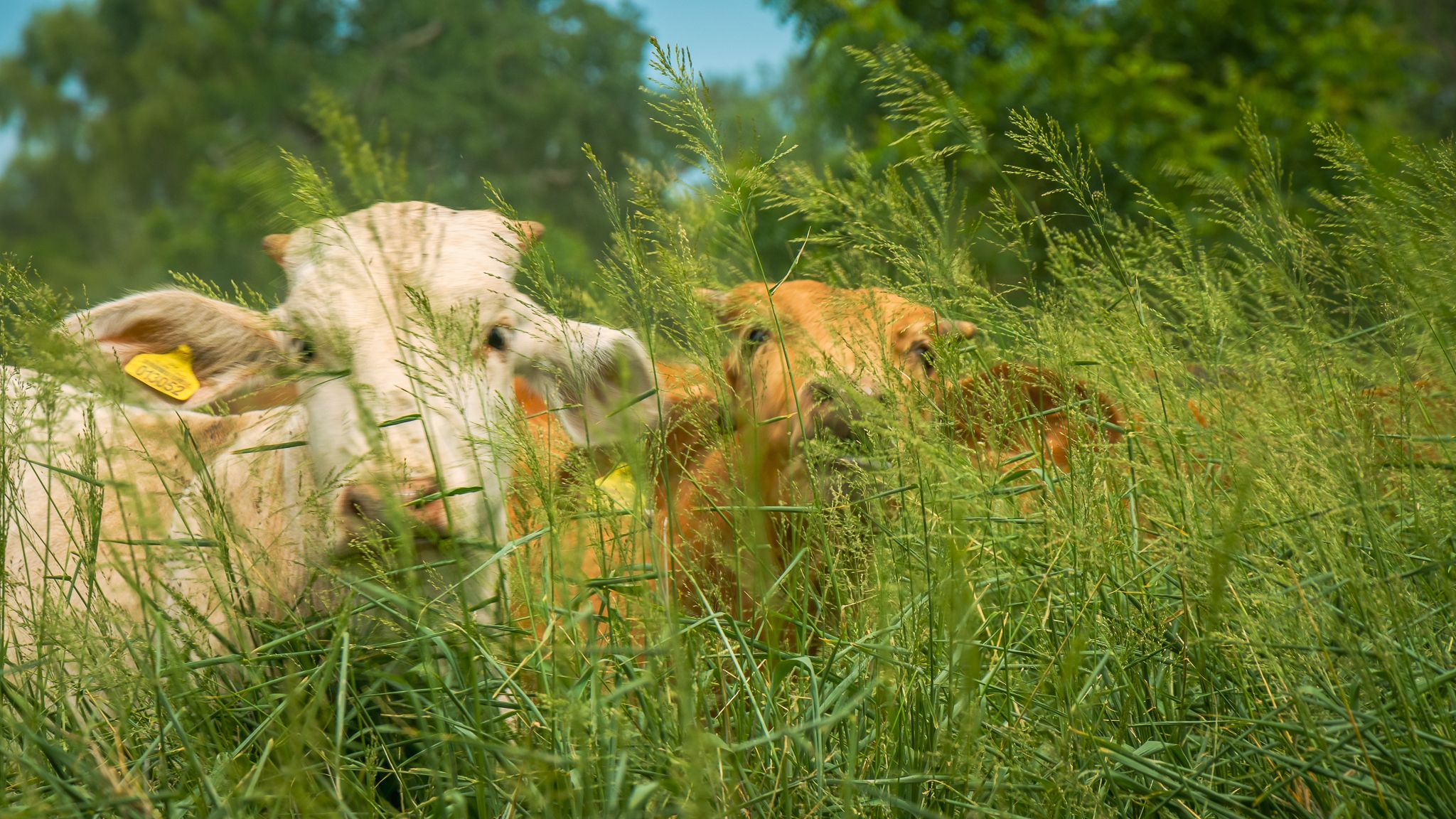
El Retiro is a working cattle ranch. Our herd grazes each paddock briefly and moves on. The paddocks behind it rest until the grass has grown back.
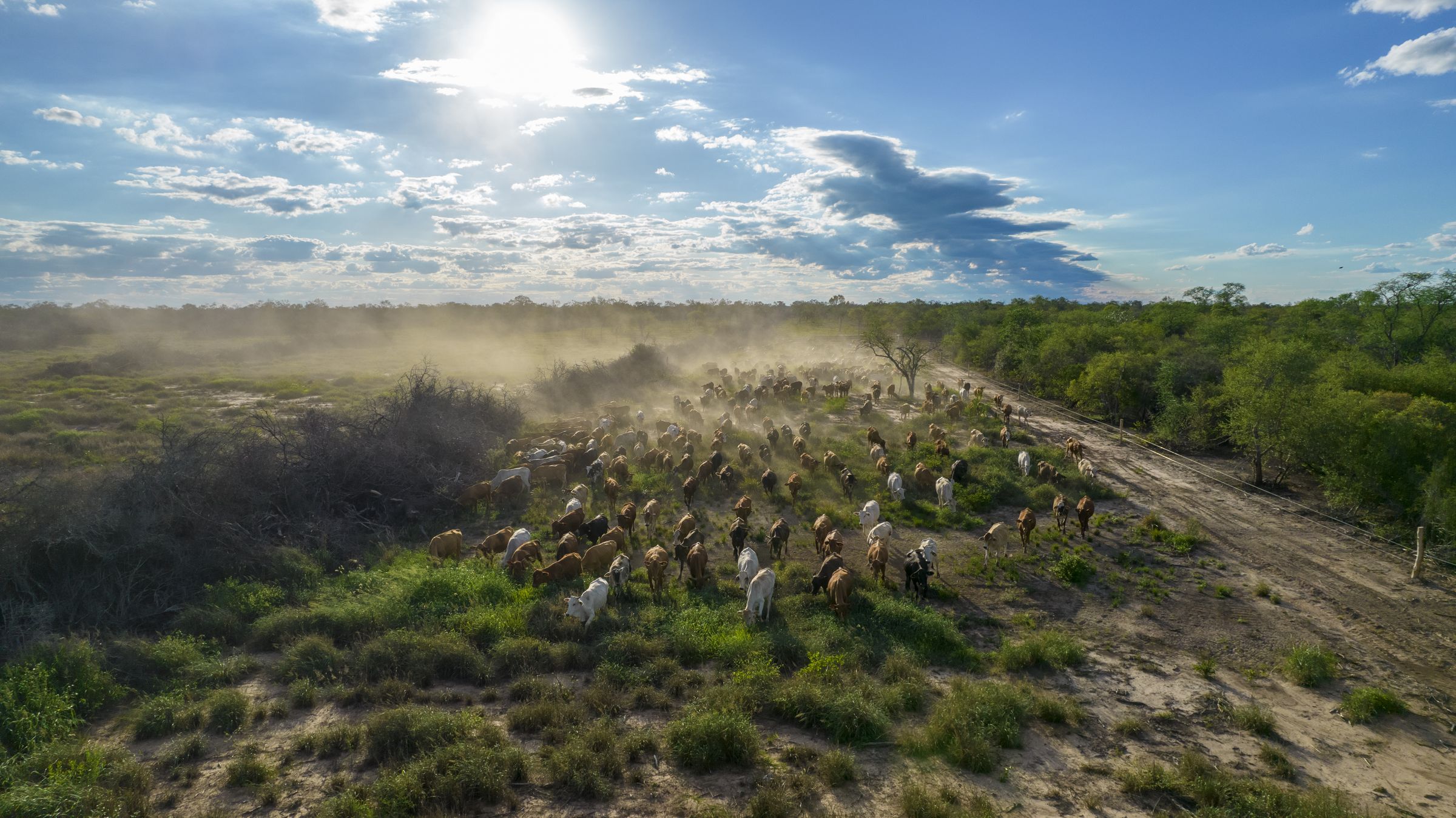
The herd moves on.
Fresh grass ahead. The paddock behind it now starts its rest.
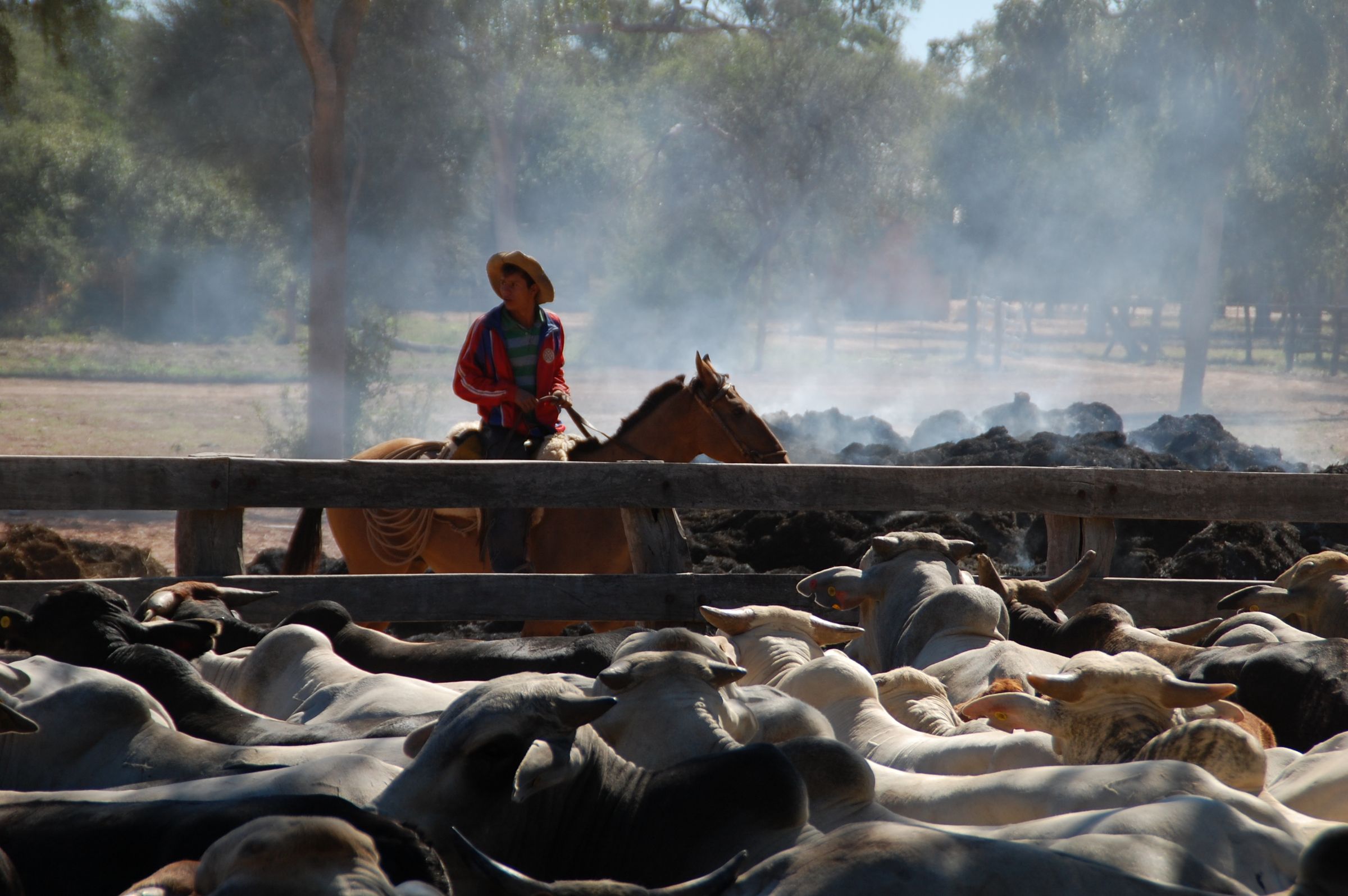
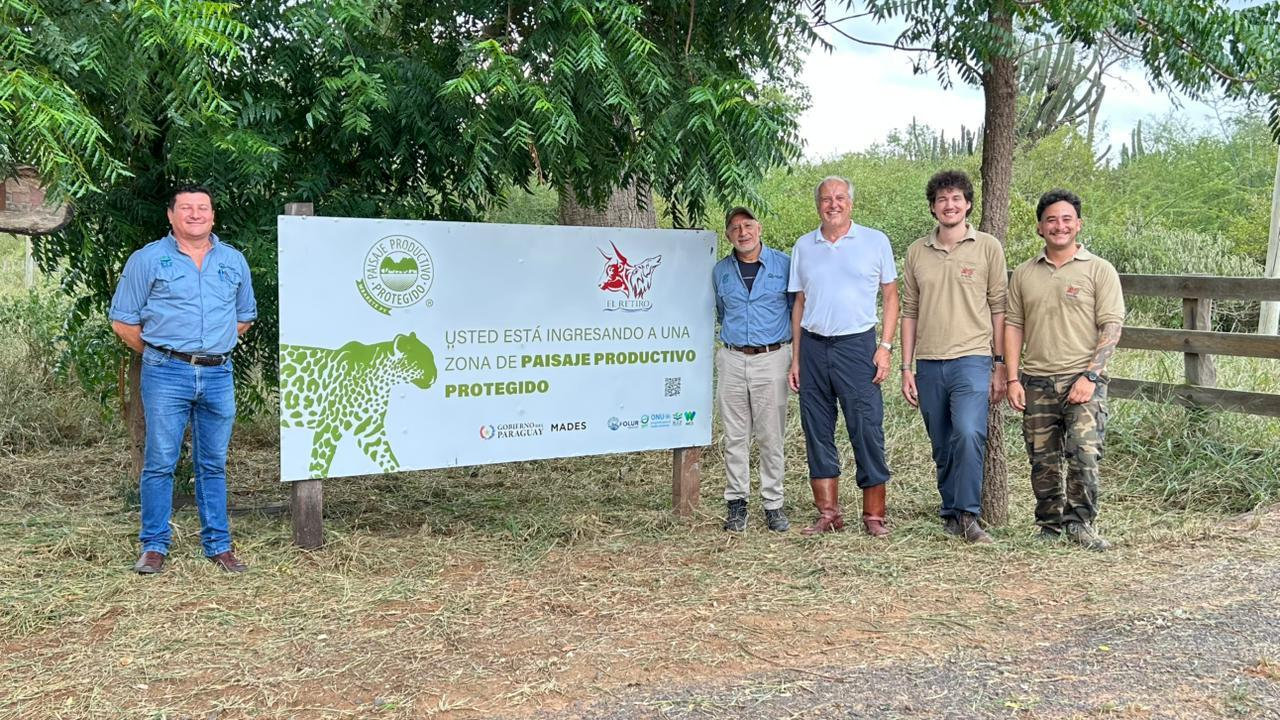
Located in Filadelfia, in the heart of the Paraguayan Dry Chaco, one of the most challenging cattle environments in South America. El Retiro runs rotational grazing here, with the herd as its main tool.
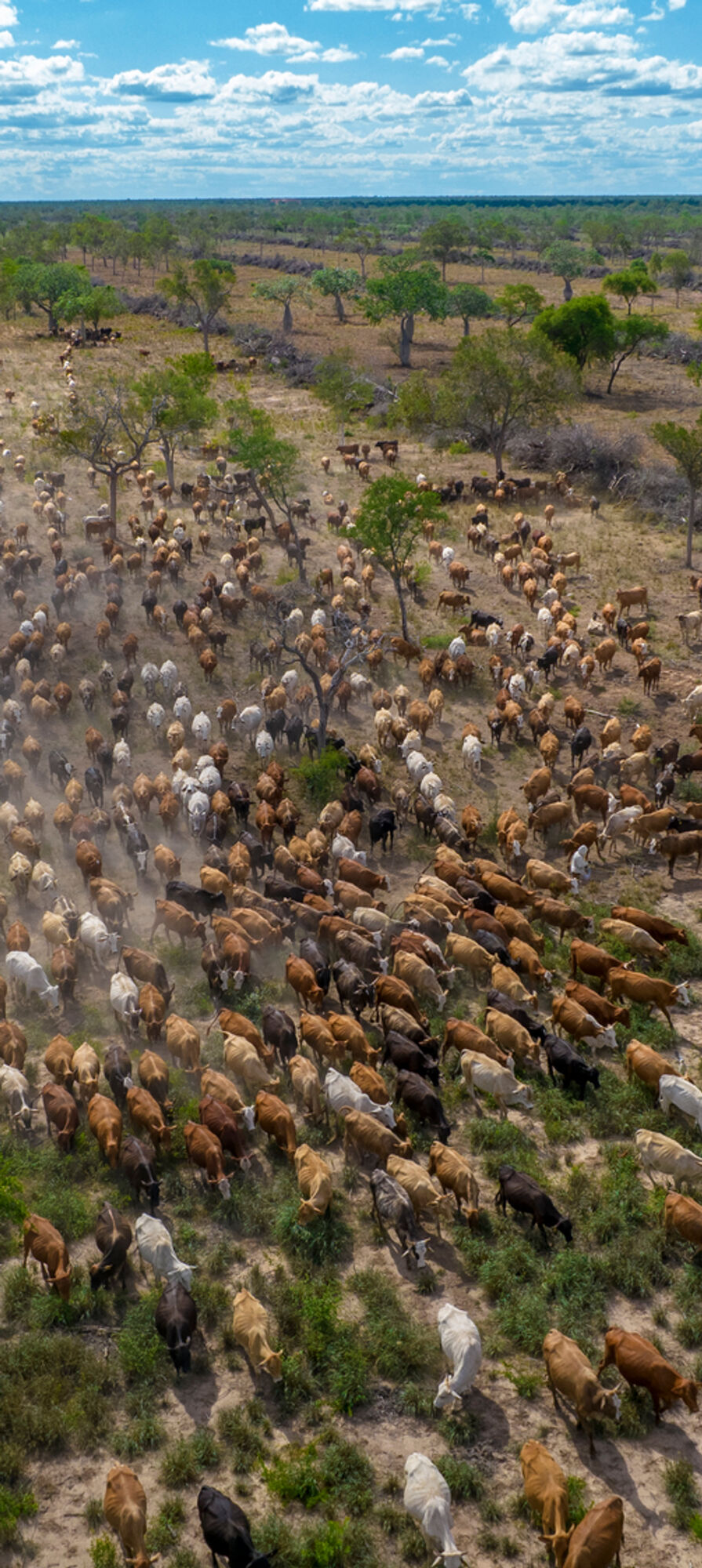
Rotational grazing is proven. For El Retiro, the easiest, most economical way to do it every day is Pastorix.
Light electric wire on posts. Quick to relocate, but every move is made by hand, out in the field, every time.
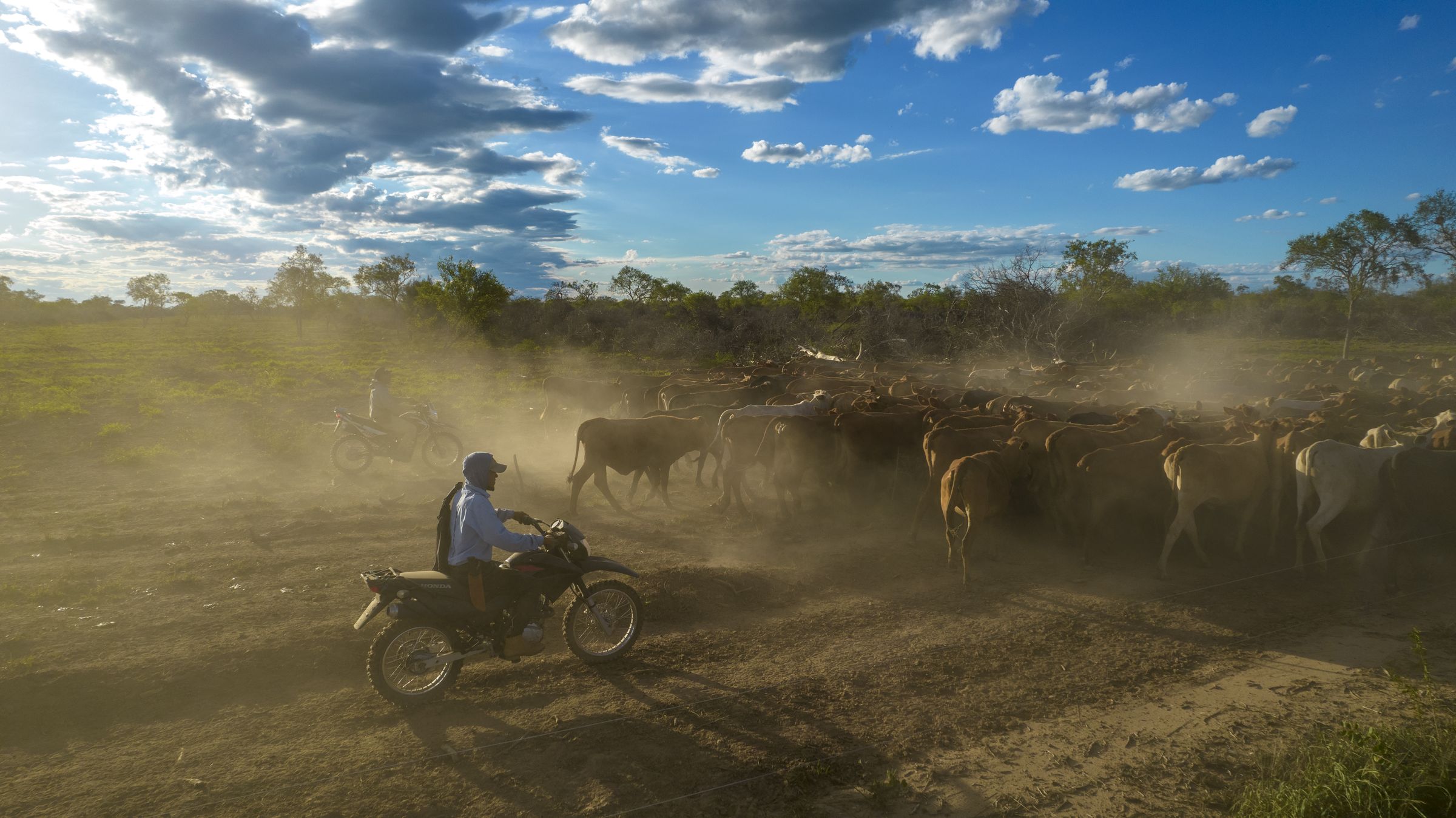
A solar GPS smart device on each animal guides the herd with gentle audio cues and, only if needed, a mild pulse. Paddocks are planned from satellite data, and the rancher approves each plan on a phone. No wire, no posts.
See how it works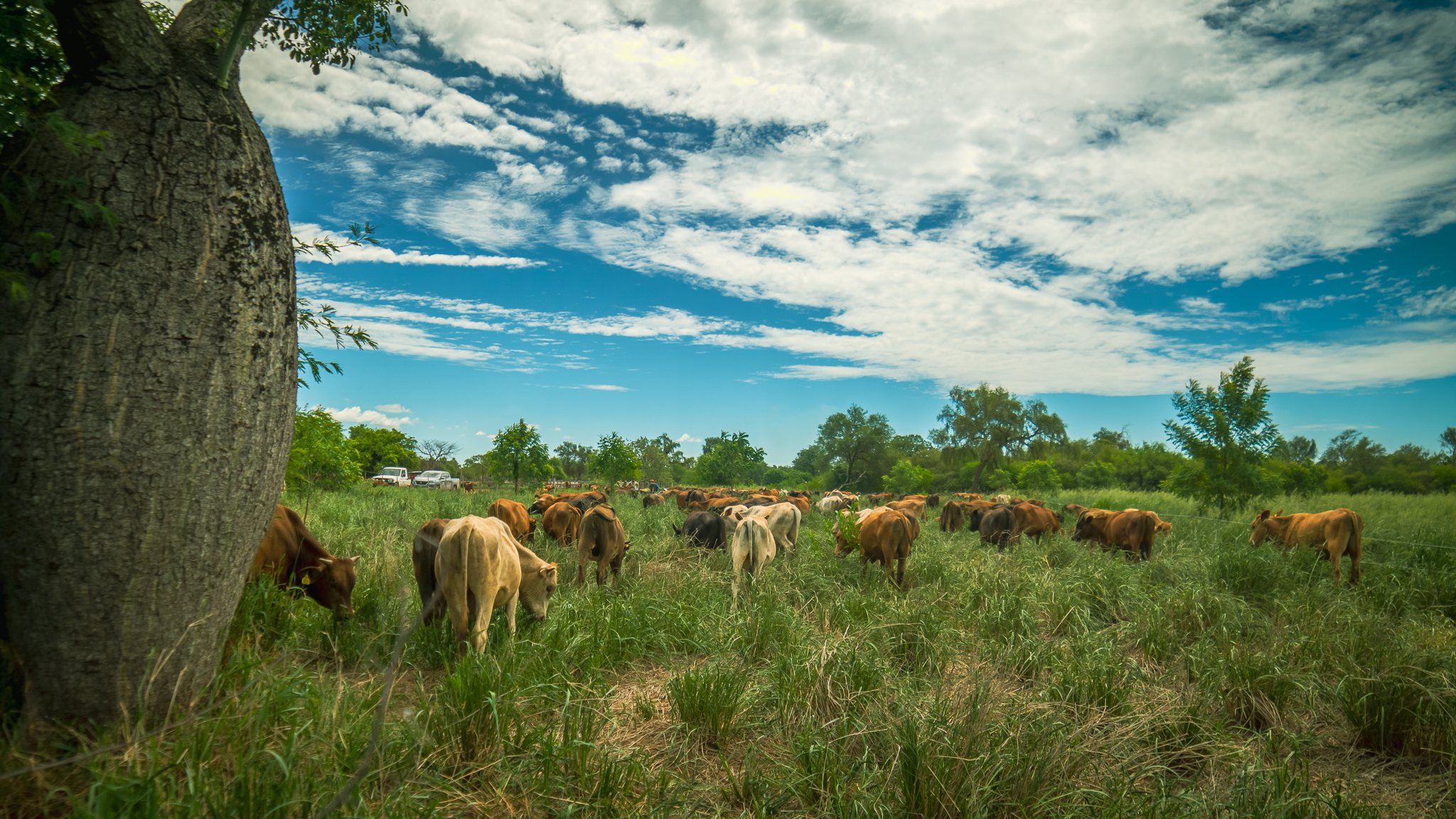
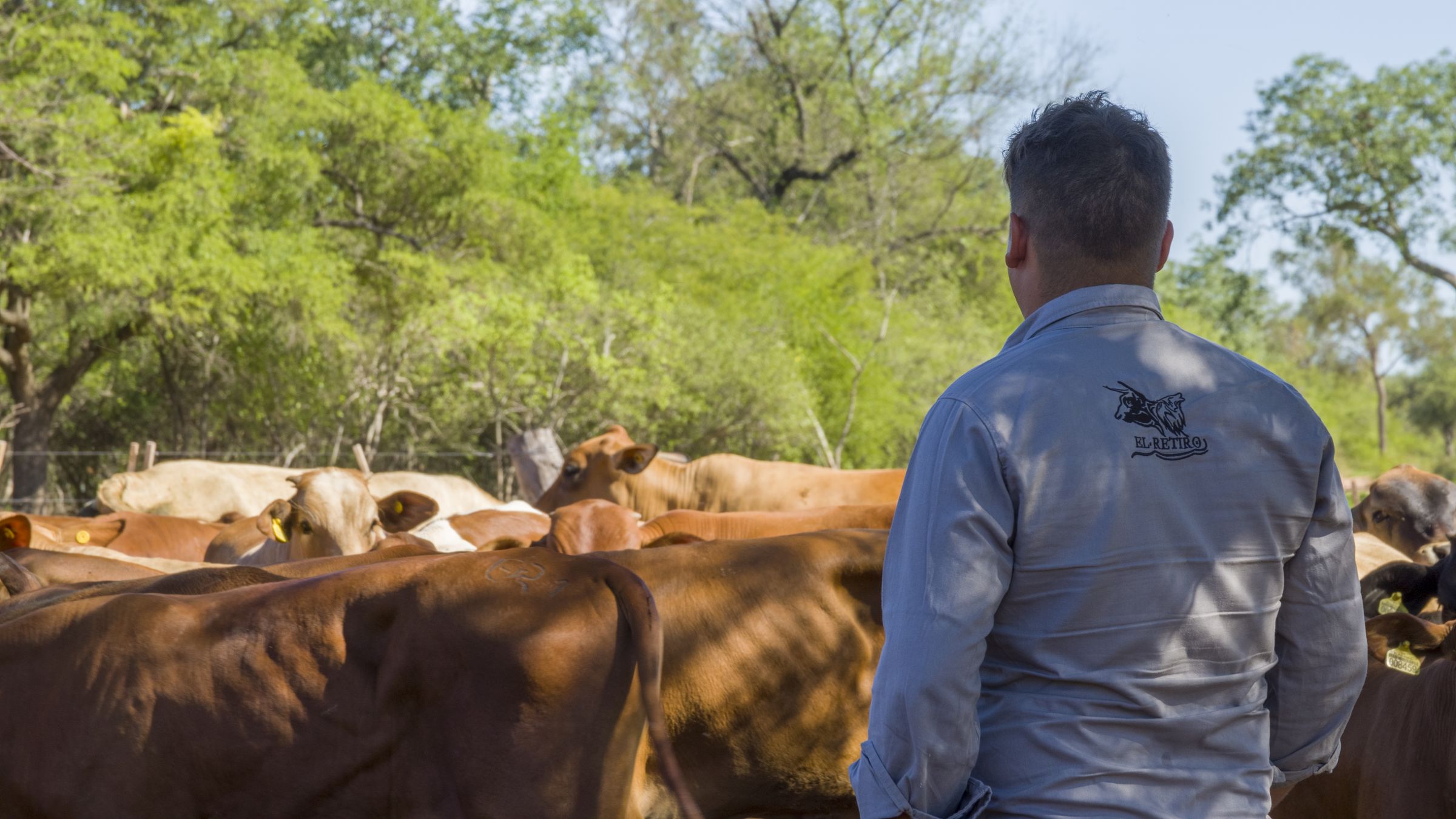
4,000 ha
Run with Pastorix so far, of 22,000 ha
“Even the best farm managers can’t rotate cattle every hour across 22,000 hectares. We needed a system that doesn’t call in sick.”
Cattle Manager, El Retiro · Field note, 2026
What rotation has done here
+70%
Stocking rate at El Retiro under rotational grazing, from 0.7 to 1.2 livestock units per hectare over 3 to 5 years. Rested paddocks grow more grass, so the same land carries more animals.
El Retiro is the first ranch running Pastorix, the virtual fencing system that makes rotational grazing practical at scale.
Visit pastorix.comThe herd grazes a paddock briefly, then moves on. That paddock is not touched again until its grass has regrown.
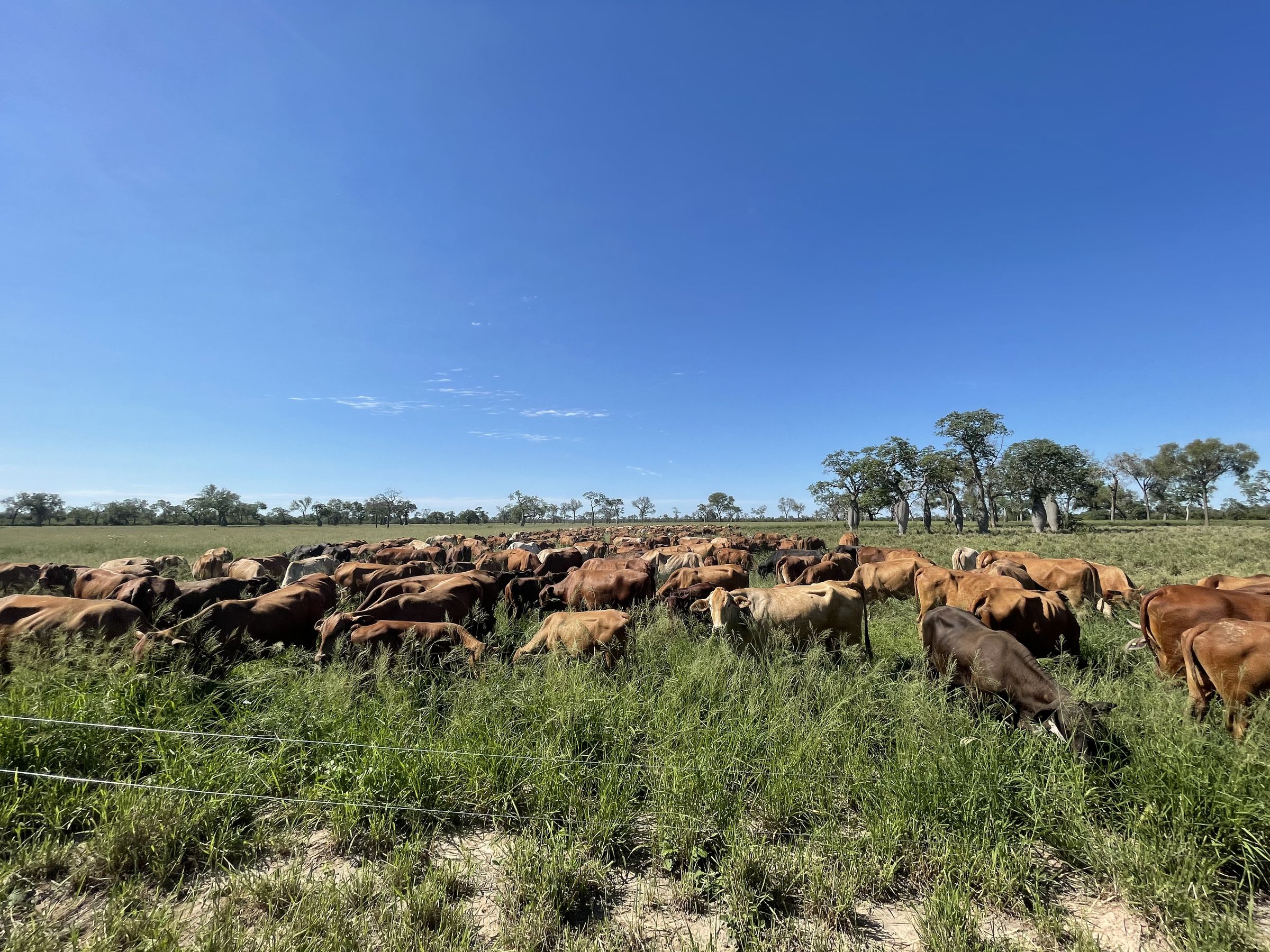
Give every paddock the time it needs and the grass comes back. The rest does the building.
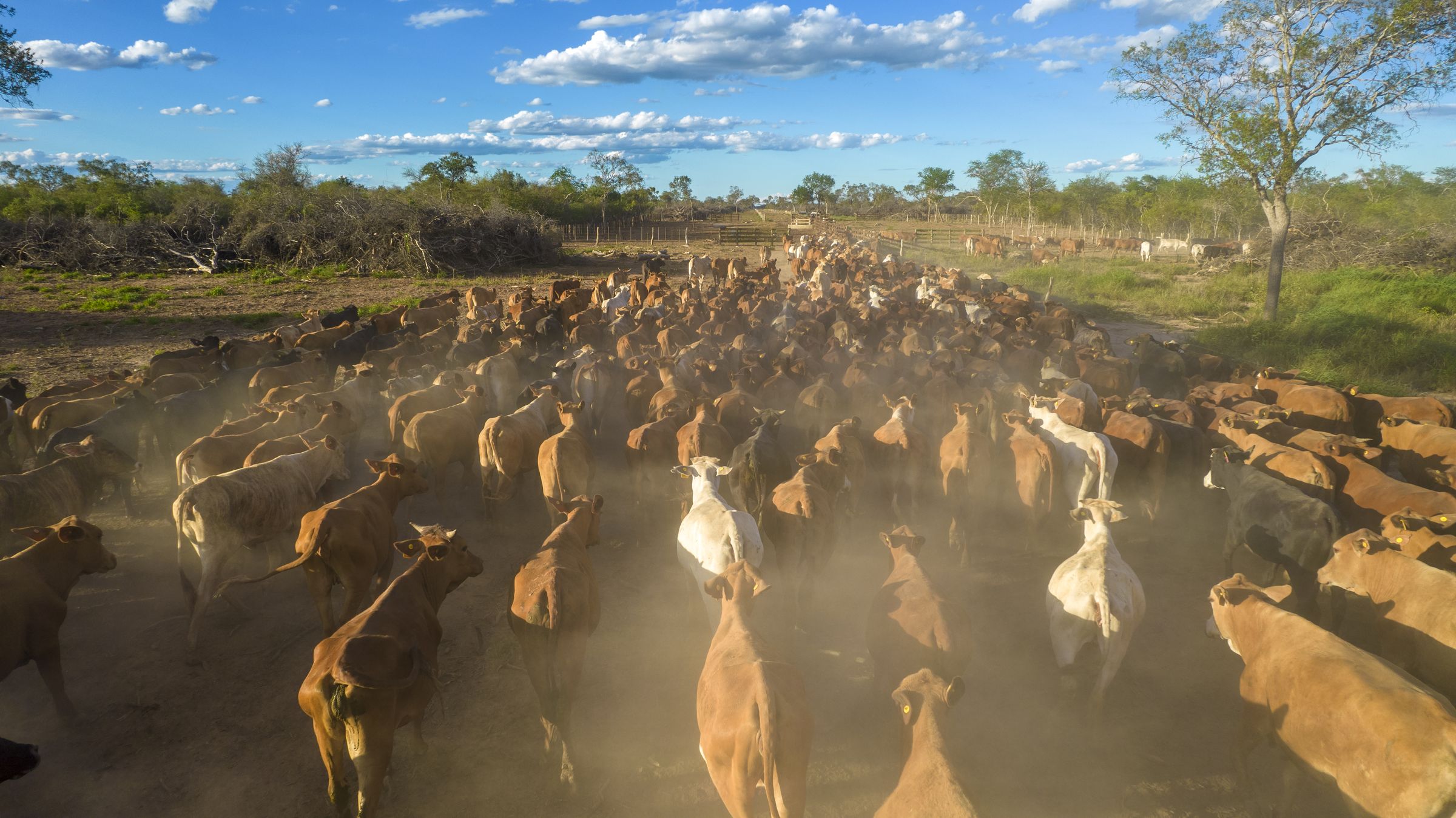
Fifty years of grazing research agree that moving the herd and resting the land grows more grass and lets more rain soak into the soil.
Sources: peer-reviewed studies, named on The Method page
+30%
Rotationally grazed pastures carried about 30% more forage than continuously grazed ones, across roughly thirty controlled experiments.
Rouquette, Sollenberger & Vendramini 2023, Translational Animal Science
info@retiro.com.py
El Retiro S.A., Calle Palo Santo casi Avda Hindenburg 131–E,
Filadelfia, Paraguay