+30%
More grass
Rotationally grazed pastures carried about 30% more forage than continuously grazed ones, across roughly thirty controlled experiments.
Rouquette, Sollenberger & Vendramini 2023, Translational Animal Science
The Method · Filadelfia, Paraguayan Dry Chaco
Fifty years of grazing science agree: give pasture enough rest and it grows more grass and holds more water. The hard part was always doing it every day. Pastorix makes that easy, and El Retiro already runs 4,000 ha with it.
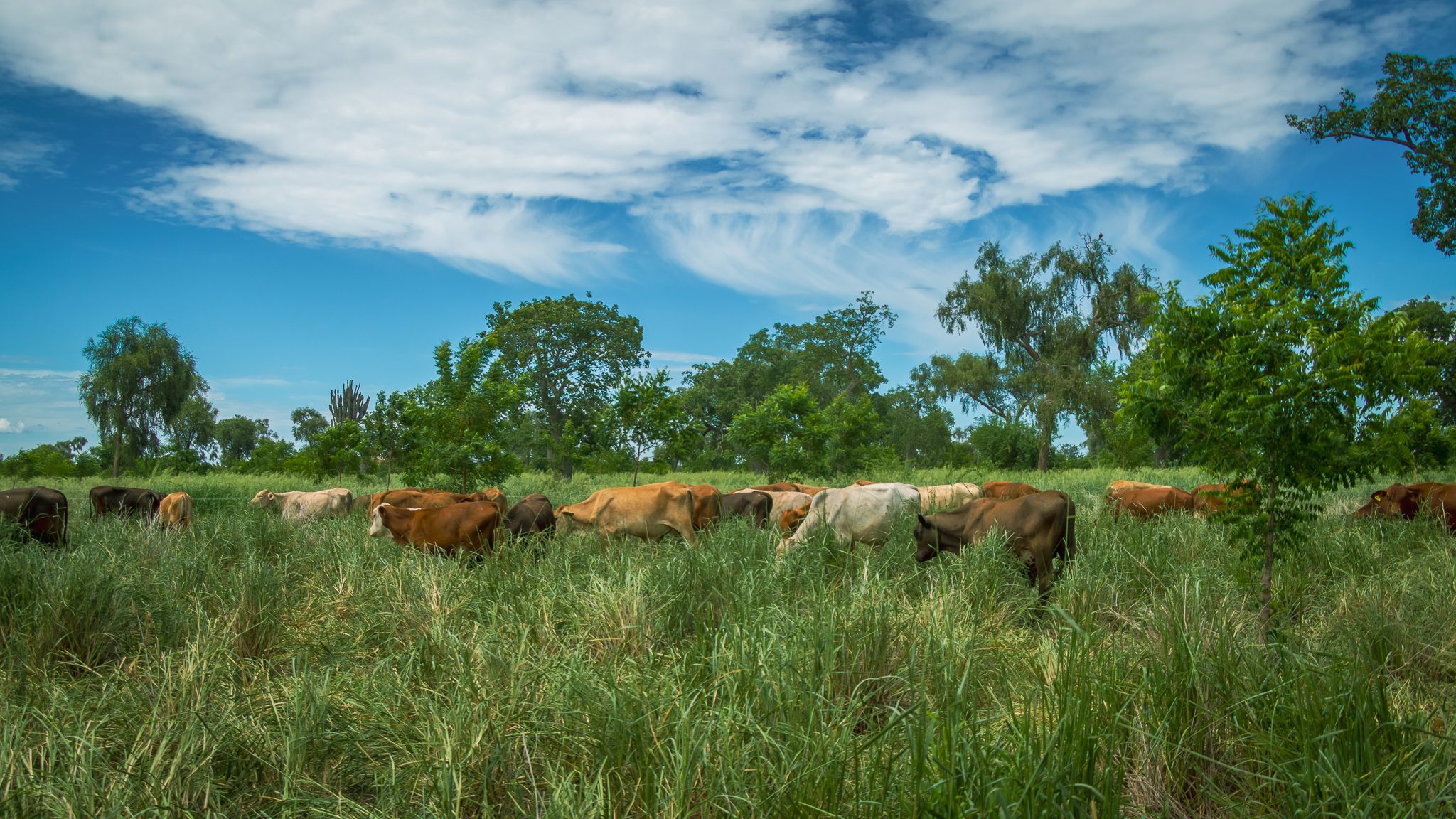
Rotational grazing comes down to one idea. The herd grazes a paddock for a short time and moves on. That paddock is then left alone until it has fully regrown.
El Retiro practises Adaptive Multi-Paddock grazing (AMP).
1 / 3 · Graze
The herd grazes one paddock at a time, and only for a short time.
2 / 3 · Move
Then the herd moves on. Every move opens fresh grass and closes the paddock behind it.
3 / 3 · Rest
The paddock behind is not touched again until it has regrown. That rest grows more grass and lets the rain soak in. Guaranteeing it for every paddock, every day, is the whole job.
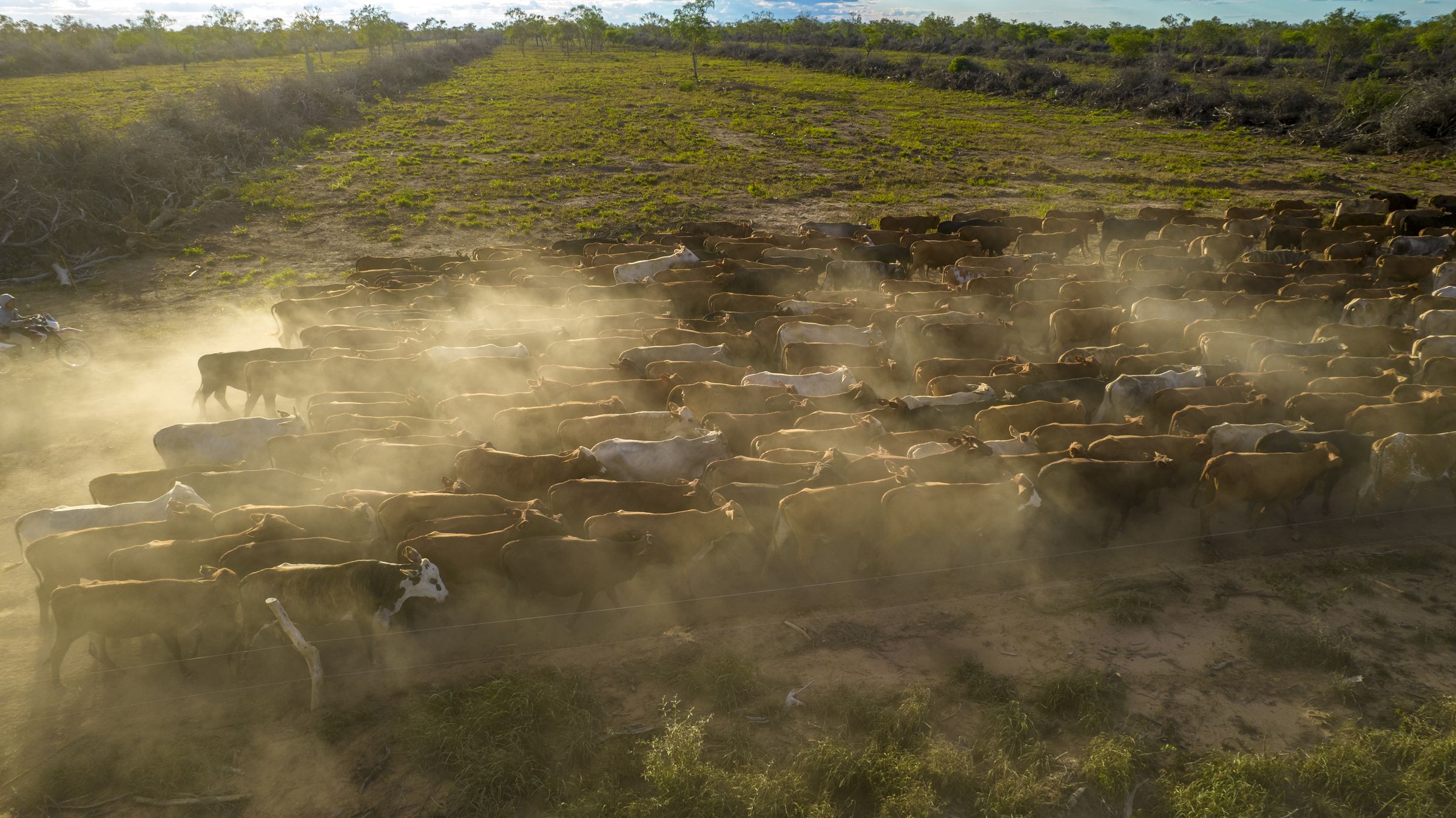
Grazing science has studied this for fifty years, and its answer is consistent. Match grazing and rest to what the pasture can carry, and keep adjusting both. These five studies show what that does for grass, water, soil and plant life, and that virtual fencing can hold a herd.
Sources · the peer-reviewed study is named under each finding
+30%
Rotationally grazed pastures carried about 30% more forage than continuously grazed ones, across roughly thirty controlled experiments.
Rouquette, Sollenberger & Vendramini 2023, Translational Animal Science
+42%
On 52 paired commercial ranches, rain soaked in about 42% faster under multi-paddock grazing: 105 against 74 mm per hour. The deciding factor was the ratio of rest to grazing, not the stocking rate.
Döbert et al. 2021, Geoderma
Over six years in Queensland, rotational grazing kept more of the ground covered, and less soil washed away.
Sanjari et al. 2009, Australian Journal of Soil Research
In the Uruguayan Campos, grazed grassland held more plant species than land where livestock were kept out.
Altesor et al. 2006, Journal of Vegetation Science
99.8%
In published trials on four continents, cattle stayed inside virtual boundaries 94 to 99.8% of the time, with no physical fence.
Campbell et al. 2019, 2020 · Verdon et al. 2026 and others
Research keeps finding the same limit. Rotation is held back by the cost and labour of splitting land into paddocks and moving the animals. Fixed wire is slow and expensive to change once it is up. Mobile wire is lighter, but every move is still made by hand, every day, which makes rotation expensive and complicated to run.
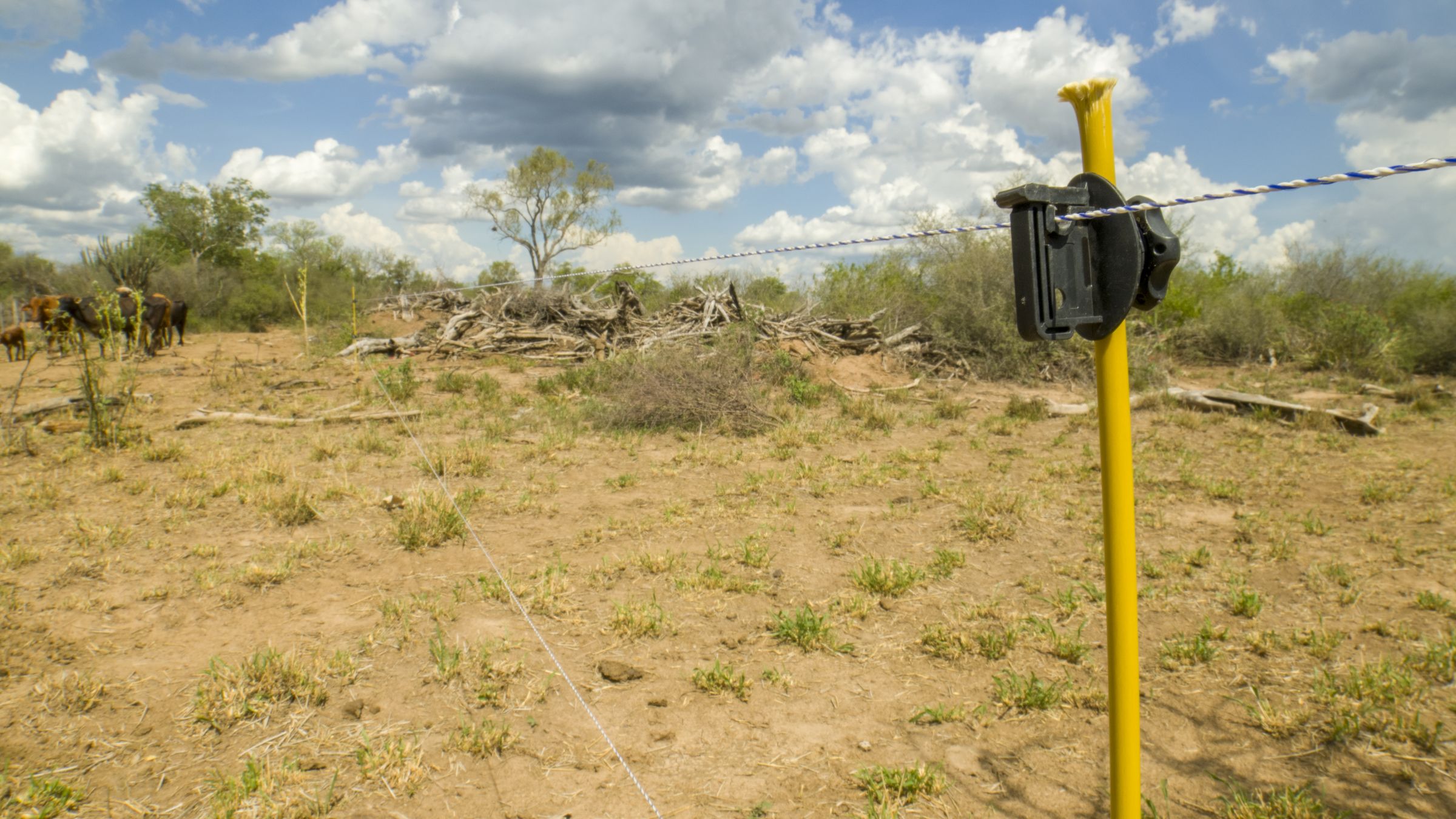
Pastorix replaces the fences and posts of a multi-paddock system with virtual fences, which cost far less to set up and to move. For us it is the easiest and most economical way to rotate every day.
01 · On every animal
Each animal carries one. Near the boundary it plays a gentle sound cue and, only if needed, a mild pulse.
02 · On the ranch
Towers on the ranch link every device. No wire, no posts.
03 · Planning
Paddocks are planned from satellite vegetation data (NDVI). El Retiro’s own grazing model does the planning.
04 · On a phone
The rancher checks each plan before the herd moves.
At El Retiro so far
4,000 ha
Run with Pastorix so far, out of 22,000 ha.
From January, up to 1,000 animals at El Retiro will carry a smart device as part of the Pastorix pilot program.
Boundary
No wire.
On the ground
No posts.
Labour
“Zero additional cowboys.”
Pastorix
On animal welfare: in published trials most boundary approaches ended on the sound alone, and cortisol studies found no difference against electric fence (Campbell et al. 2019, 2020; Fuchs et al. 2024; Wilms et al. 2024; Verdon et al. 2026).
+70%
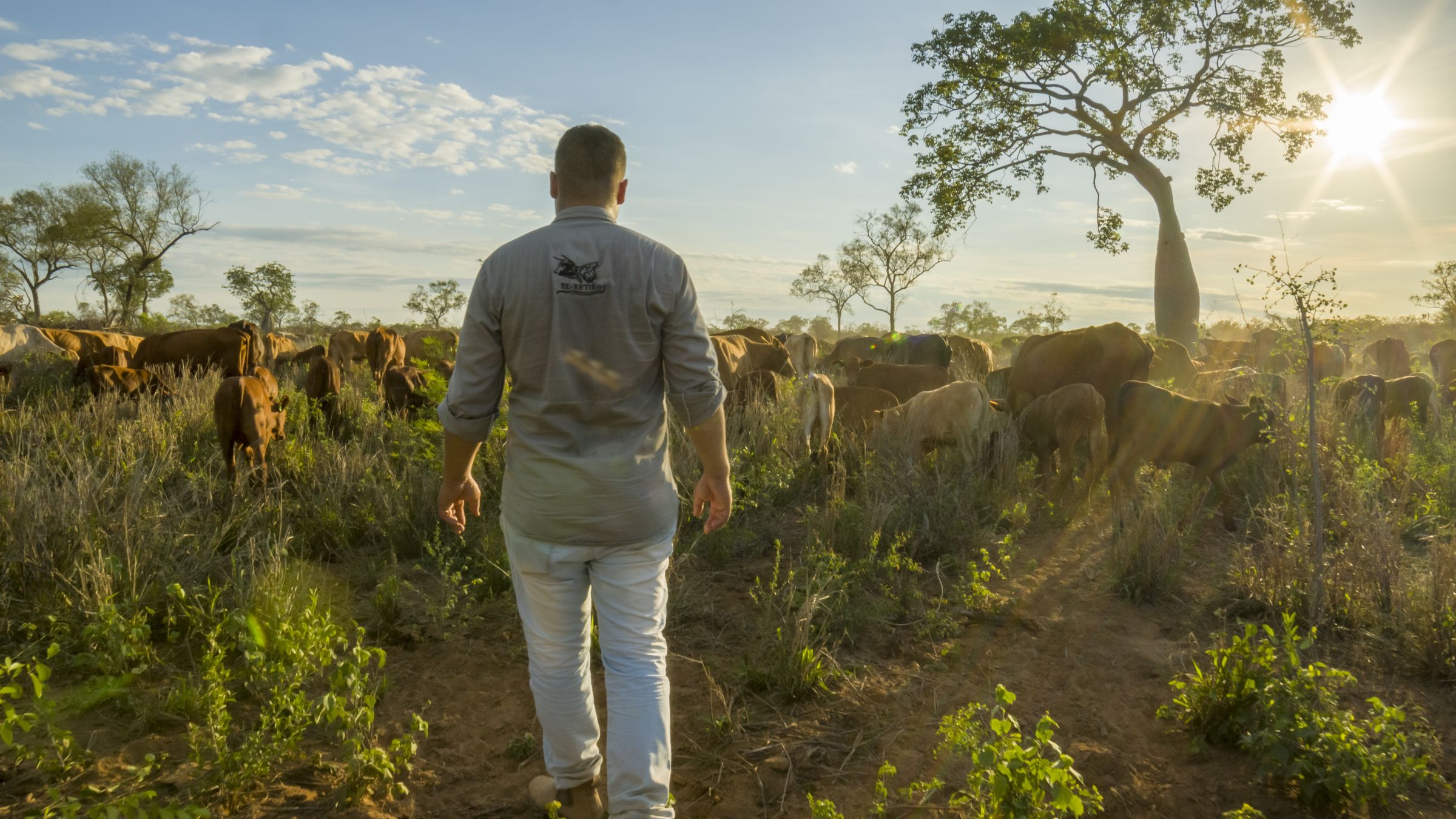
Stocking rate at El Retiro under rotational grazing, over 3 to 5 years, from 0.7 to 1.2 livestock units per hectare.
Rested paddocks grow more grass, so the same land can carry more animals.